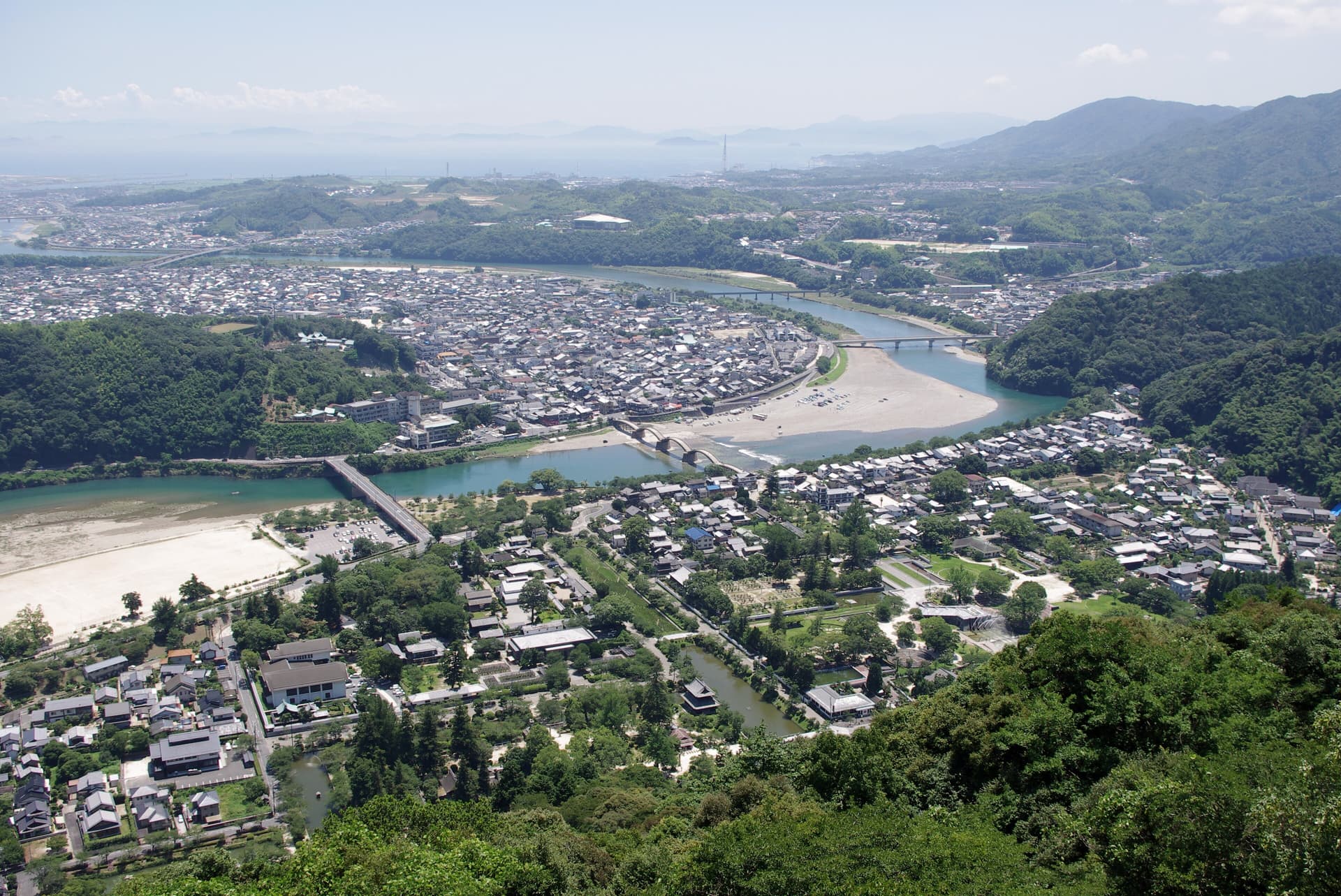
Iwakuni has a mild, humid climate: warm springs, hot and sticky summers with a rainy season, clear autumns and cool winters with little snow. The bridge is photogenic all year, so the choice comes down to scenery and crowds. The short answer is late March to early April for cherry blossom and November for autumn colour — with summer evenings for cormorant fishing.
Iwakuni month by month
| Month | Approx. high / low | Crowds | Verdict |
|---|---|---|---|
| January | 10 / 1 °C | Very low | Cold, clear and quiet; New Year visits to the shrines |
| February | 11 / 2 °C | Very low | The quietest month; plum blossom begins |
| March | 14 / 5 °C | Rising | Cherry blossom usually opens in the last days of the month |
| April | 19 / 9 °C | Very high → moderate | Peak blossom early on; Kintaikyo Festival on the 29th |
| May | 24 / 14 °C | Moderate | Fresh green, azaleas and peonies in Kikko Park; Friendship Day |
| June | 27 / 19 °C | Low | Rainy season; irises in the park; cormorant fishing starts |
| July | 31 / 23 °C | Low | Hot and humid; evenings on the river are the highlight |
| August | 32 / 24 °C | Moderate | Hottest month; fireworks and cormorant fishing |
| September | 28 / 20 °C | Low | Still warm; typhoons possible; ukai ends early in the month |
| October | 23 / 13 °C | Low | Dry, comfortable and clear — excellent for walking |
| November | 17 / 8 °C | High | Maples at Momijidani at their best mid to late month |
| December | 12 / 3 °C | Low | Crisp and calm; last of the leaves early on |
Spring: late March to May
This is Iwakuni’s great moment. Some three thousand cherry trees line the Nishiki River and fill Kikko Park, and the area around the bridge is listed among Japan’s hundred best cherry blossom spots. Bloom usually peaks between late March and early April, though it shifts by a week or so from year to year. Expect crowds, picnics under the trees and lanterns at night. On 29 April the Kintaikyo Festival sends a costumed procession of a feudal lord and his retinue across the bridge. May brings fresh green, azaleas and peonies — and, usually early in the month, Friendship Day at the air station.
Summer: June to early September
June and early July are the rainy season; after that it is hot and humid, with highs above 30 °C. Daytime sightseeing is best done early. The reward comes after dark: from roughly June to early September, cormorant fishing takes place on the river by torchlight, and the bridge is illuminated. A fireworks display is traditionally held over the bridge in early August. Heavy rain can raise the river quickly and cancel the boats.
Autumn: late September to November
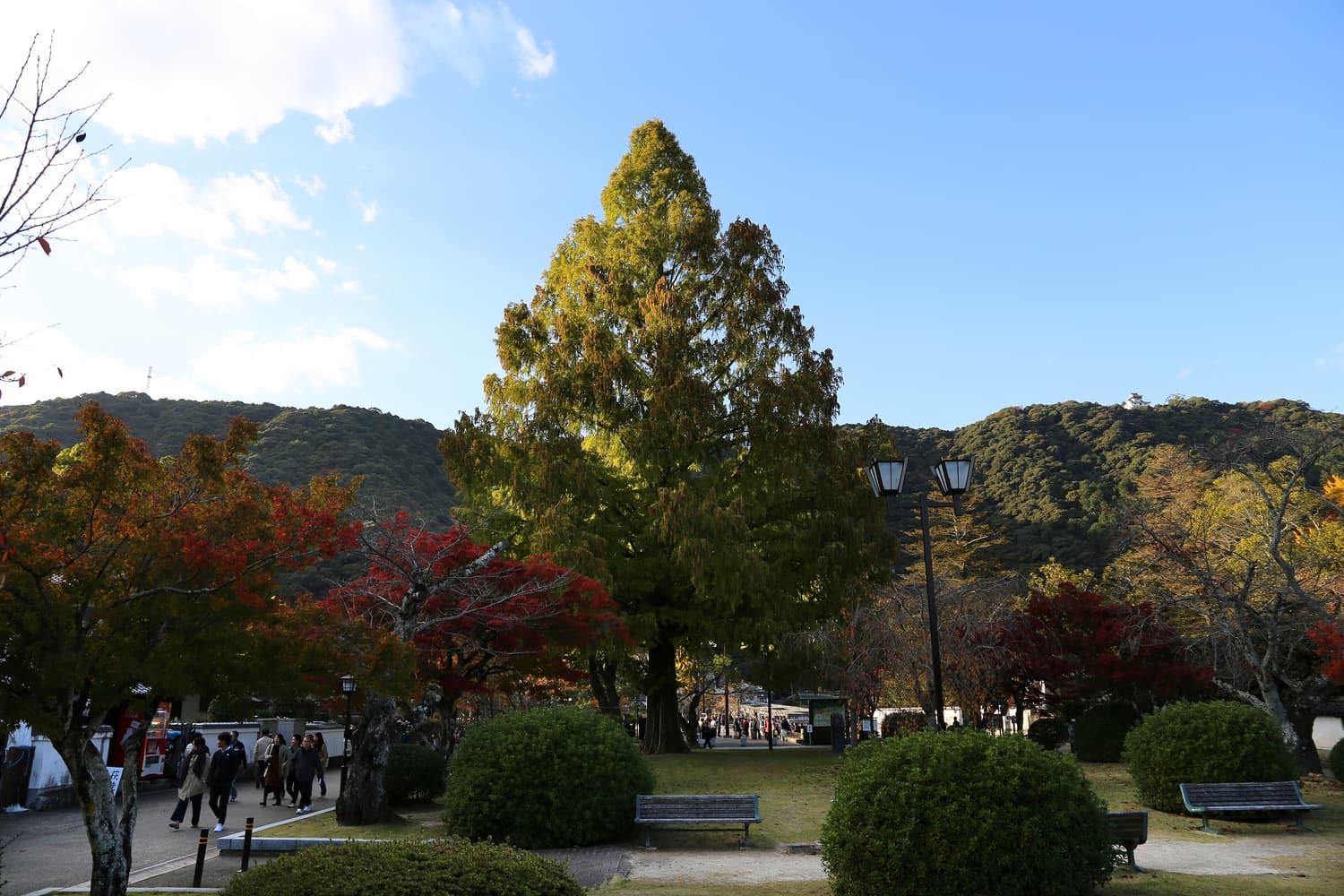
October is dry, mild and uncrowded — perhaps the most comfortable month for walking. Colour arrives in mid to late November, when the maples of Momijidani Park turn deep red and the castle hill is brushed with yellow and orange. Weekends at the peak are busy, weekdays pleasant.
Winter: December to February
Cool rather than harsh, with highs around 10 °C and frosty mornings; snow is occasional and rarely settles for long. This is the quietest season, hotel rates are low and the low sun flatters the bridge. Check opening days: the ropeway and some museums close for maintenance or over the New Year.
When to avoid
- The first weekend of April if you dislike crowds — go on a weekday instead.
- Golden Week (29 April to early May), when the festival, the holiday and Friendship Day fill roads, trains and hotels.
- Days of heavy rain or typhoon warnings, when the riverbed is closed and views from the castle disappear.
Public holidays
On Japanese public holidays and during the Obon period in mid-August, Iwakuni is busier with domestic visitors and trains from Hiroshima are fuller. The sights stay open; simply start earlier.