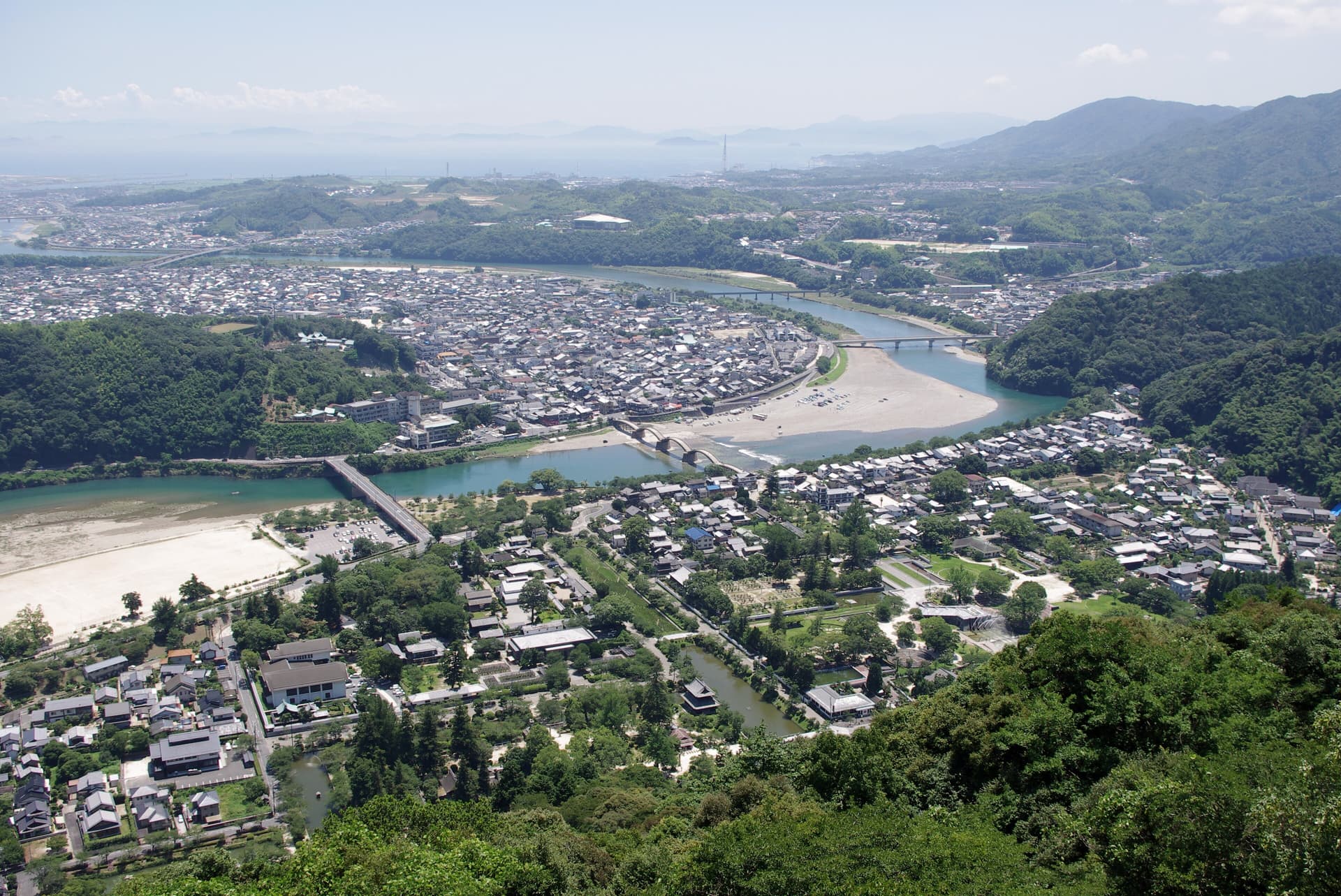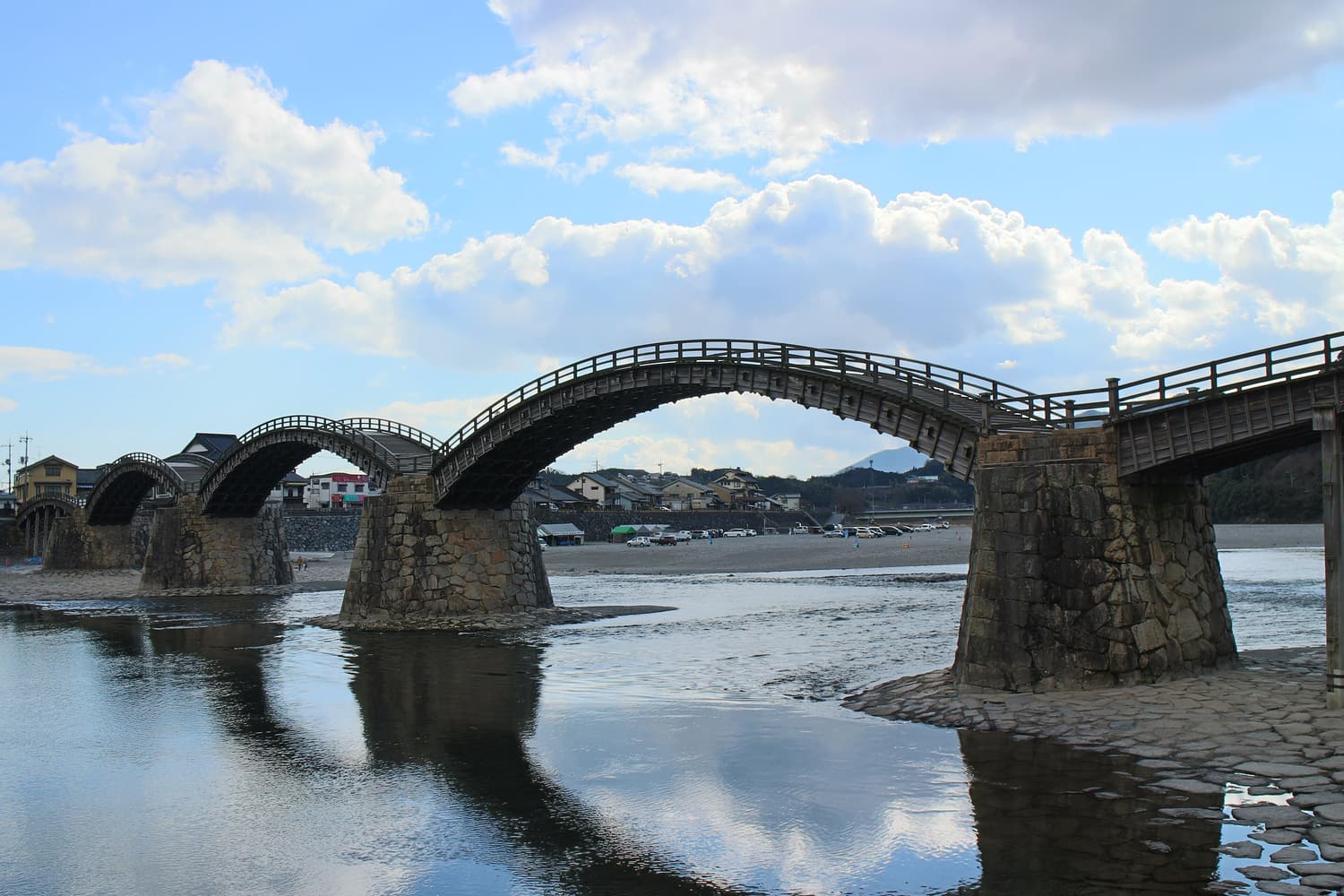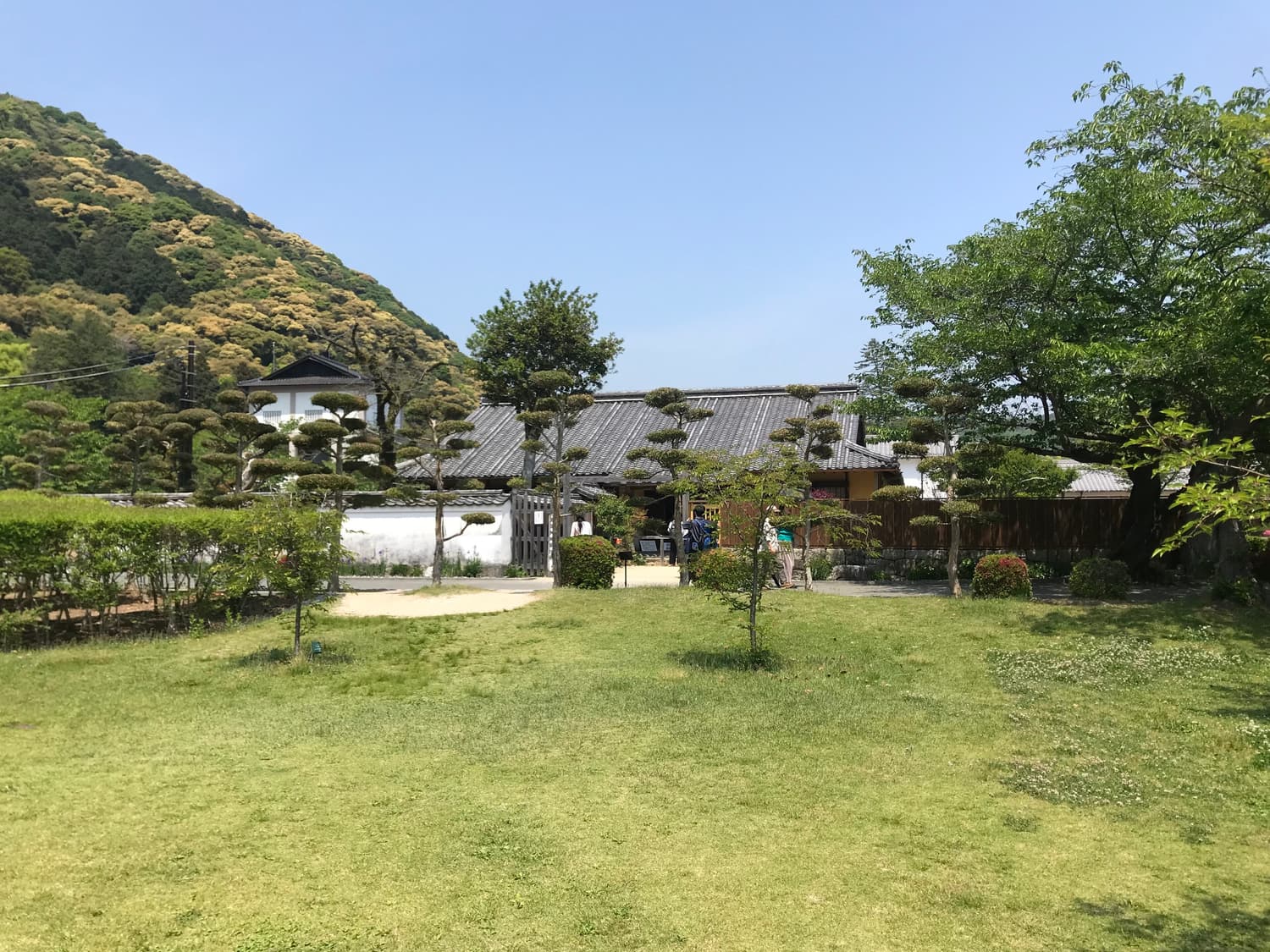
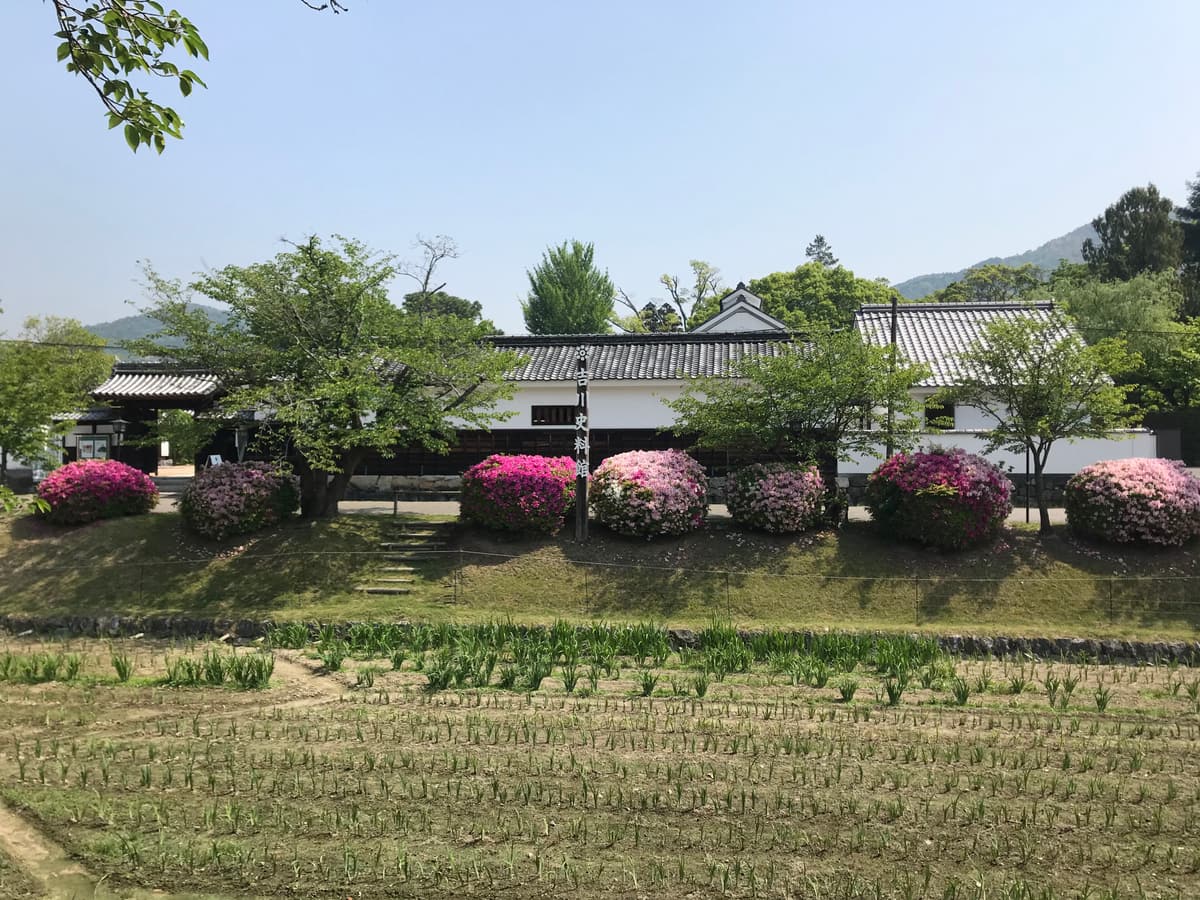
When the Kikkawa lords lost their hilltop castle they ruled instead from a residence on the flat ground beneath it, protected by the river on one side and the mountain on the other. That precinct is now Kikko Park: broad lawns, a surviving stretch of moat, fountains, flower gardens and a scattering of buildings that recall the samurai town.
The district on this bank, Yokoyama, was reserved for the lord and his senior retainers, while merchants and craftsmen lived across the river — which is why the bridge mattered so much. Enough survives to give a sense of it: a middle-ranking samurai house, a great retainer’s gatehouse, the family shrine and several small museums.
Top things to do: Kikko Park & the Samurai Quarter
Step into the Mekata residence
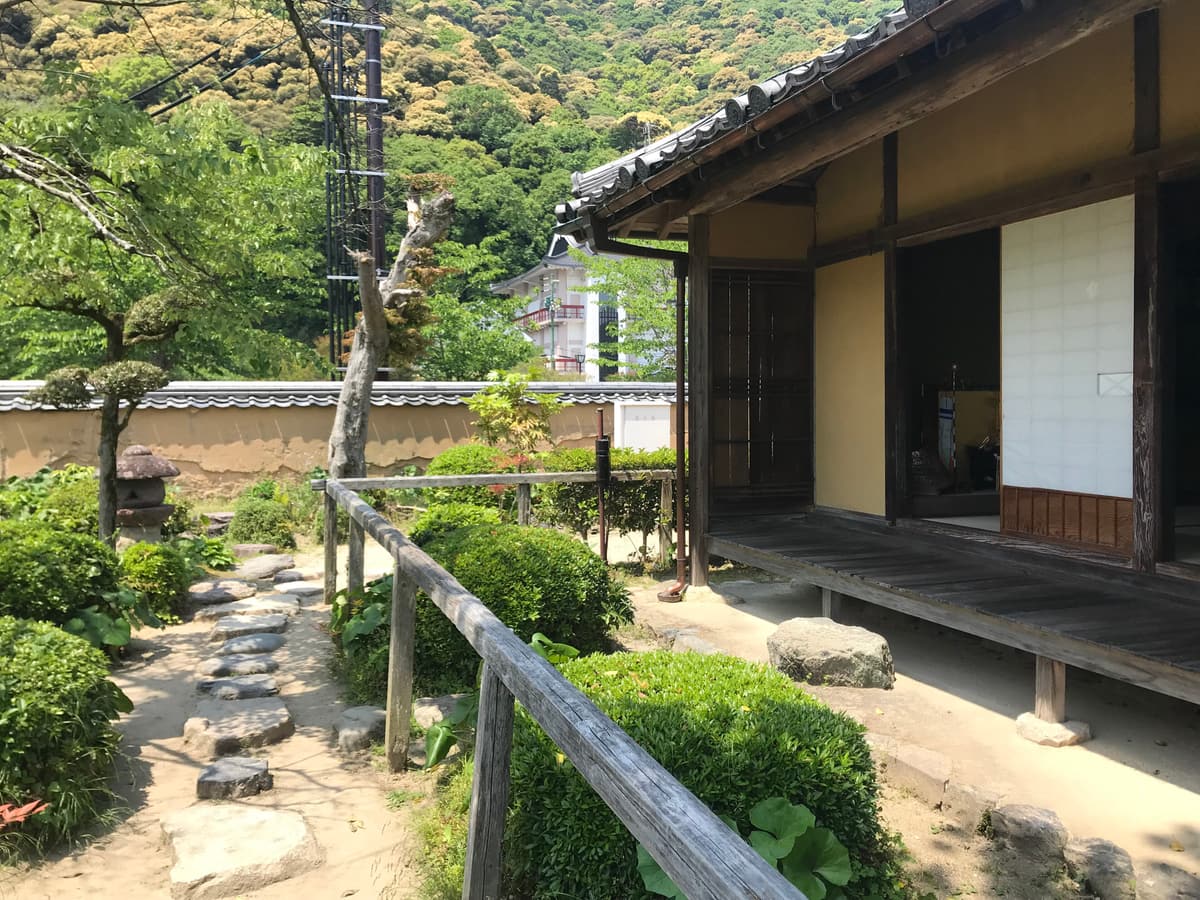
The former Mekata family house is a well-preserved home of a middle-ranking samurai from the Edo period, designated an Important Cultural Property. You look in from the garden at tatami rooms, sliding screens and a tiled roof — modest, orderly and free to visit.
Visit Kikko Shrine and the Kinunkaku
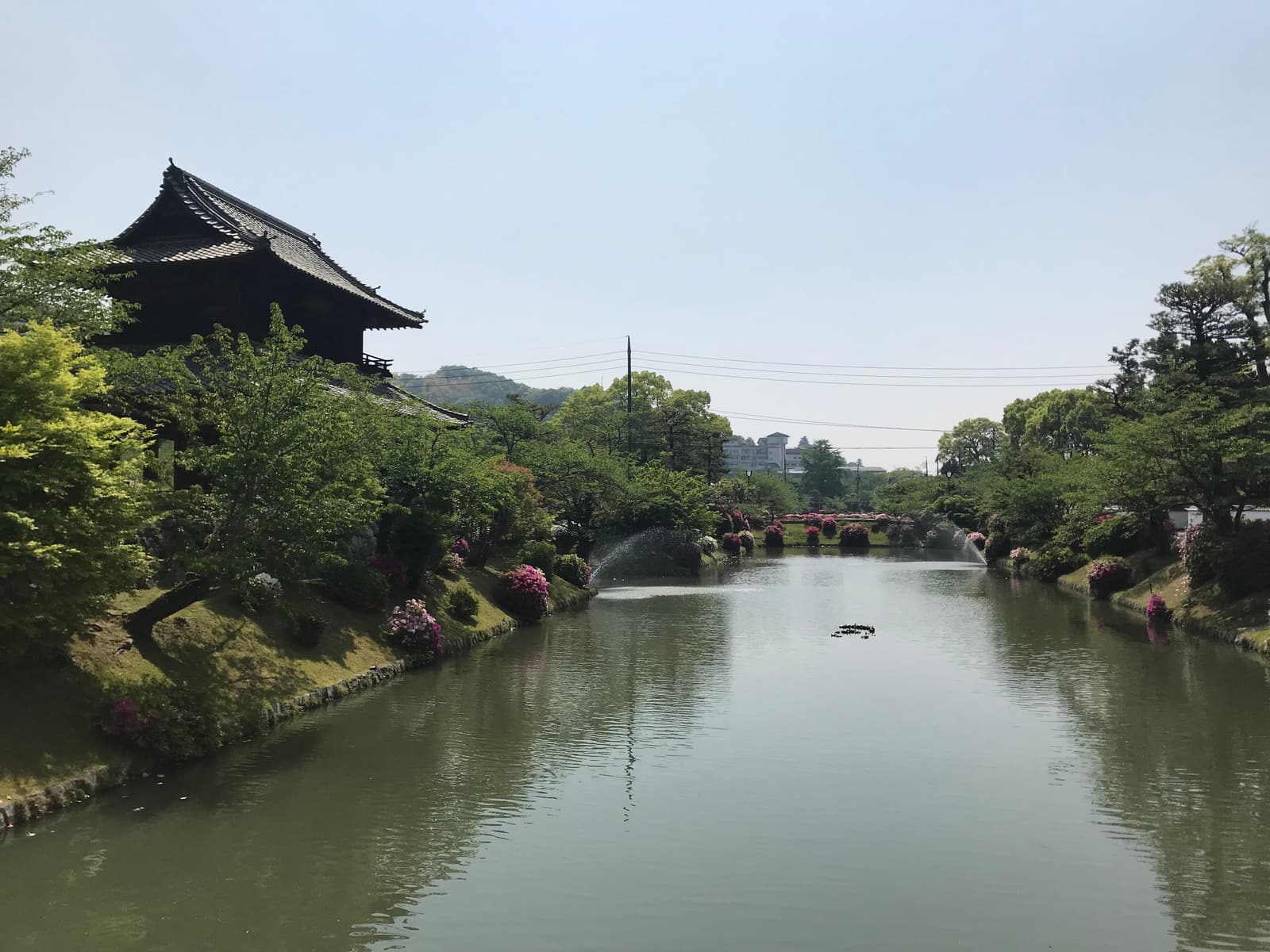
Kikko Shrine is dedicated to the ancestors of the Kikkawa family, and its elegant 18th-century buildings are protected cultural properties. Beside the moat stands the Kinunkaku, a turret-like pavilion that makes one of the prettiest pictures in the park, especially with azaleas or autumn leaves.
See the Kikkawa treasures
The Kikkawa Historical Museum shows documents, armour and swords handed down in the lords’ family, including a blade designated a National Treasure, in changing exhibitions. The nearby Iwakuni Chokokan has material on the domain and the bridge, and the Iwakuni Art Museum by the ropeway displays samurai armour and weapons.
Look for the Kagawa gate and the swordsman
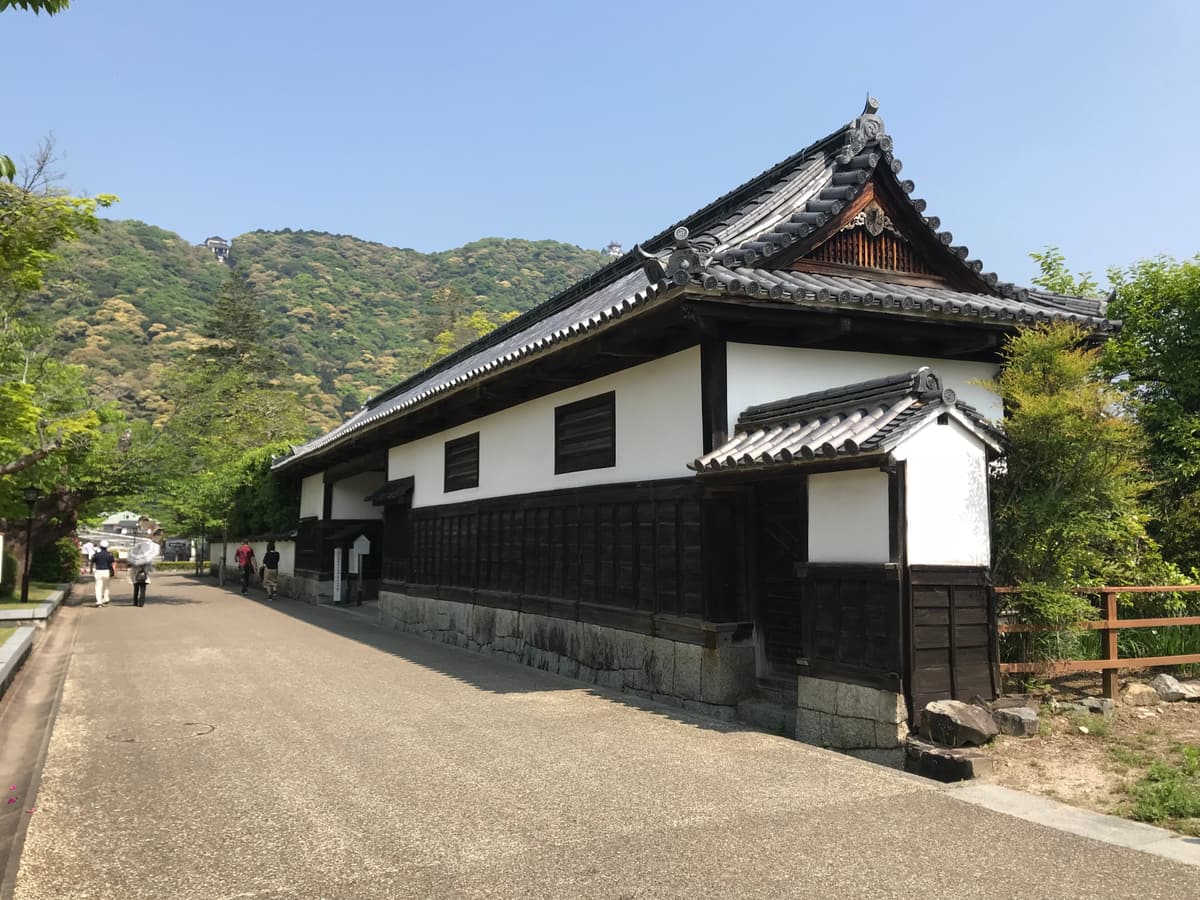
On the lane toward the bridge is the long white nagayamon gatehouse of the Kagawa family, chief retainers of the domain, dating from the late 17th century. In the park you will also find a statue of Sasaki Kojiro, the swordsman who, in Yoshikawa Eiji’s novel Musashi, perfected his “swallow cut” by the bridge.
How to get there
- From Kintaikyo: the park begins at the western end of the bridge — simply cross and keep walking.
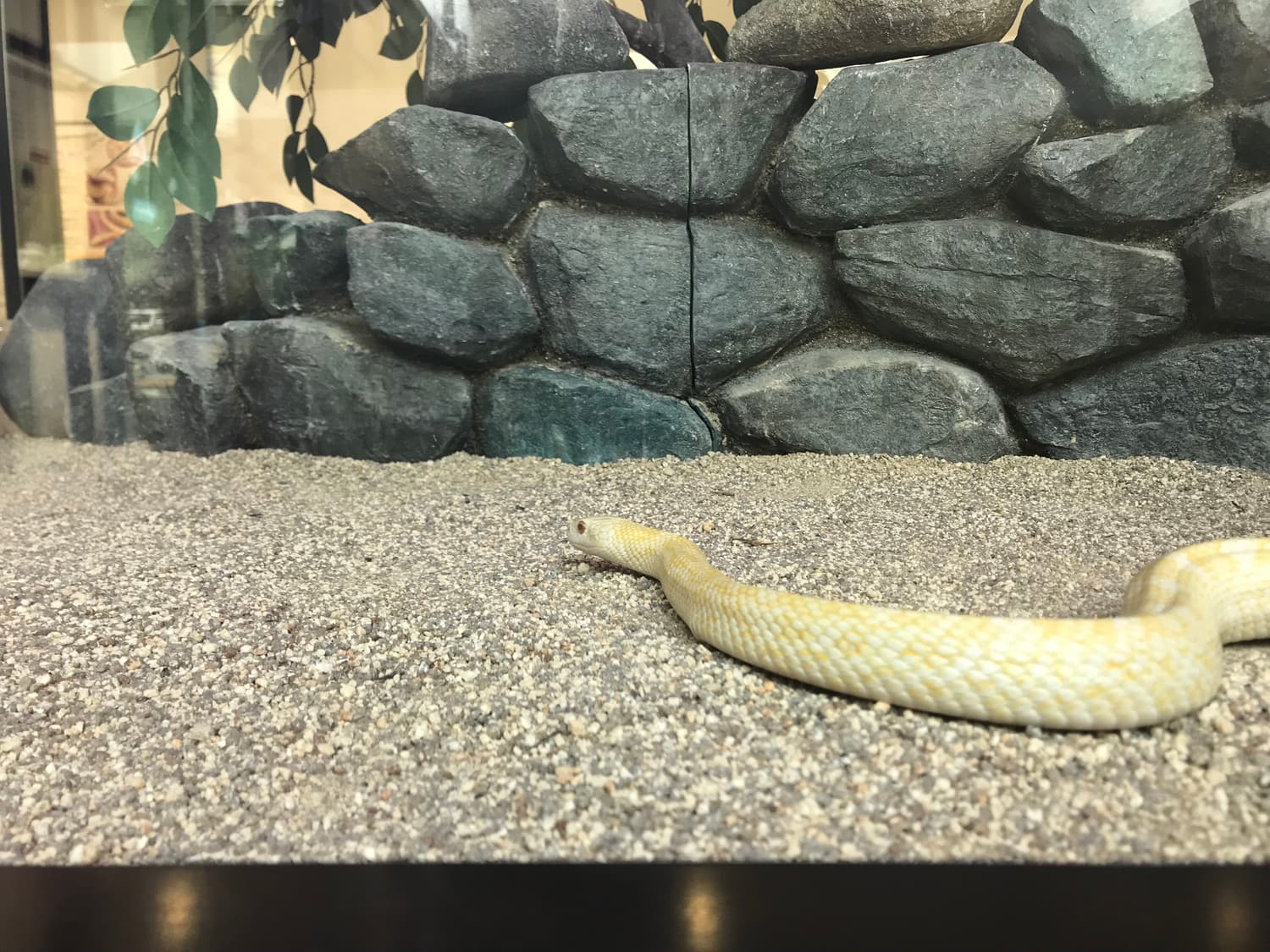
- On foot inside the park: everything is within five to ten minutes; the ropeway station and the White Snake Museum are at the far side.
- By car: there is parking on the park side, reached by the road bridge rather than Kintaikyo.
Insider tips
- The park itself is free and always open; the museums keep roughly 9:00–17:00 hours and have closing days.
- Spring brings cherry blossom, then azaleas and peonies; early summer, irises; November, maples.
- The big fountain is a favourite with children on hot days.
- A local guide makes the samurai quarter far more meaningful — see the Iwakuni walking tour.
Best tours & tickets: Kikko Park & the Samurai Quarter
These experiences are the easiest way to see Kikko Park & the Samurai Quarter and the rest of Iwakuni:
Small-group day trip from €168 Iwakuni Tour: Kintaikyo Bridge, Castle Town & Seal Engraving
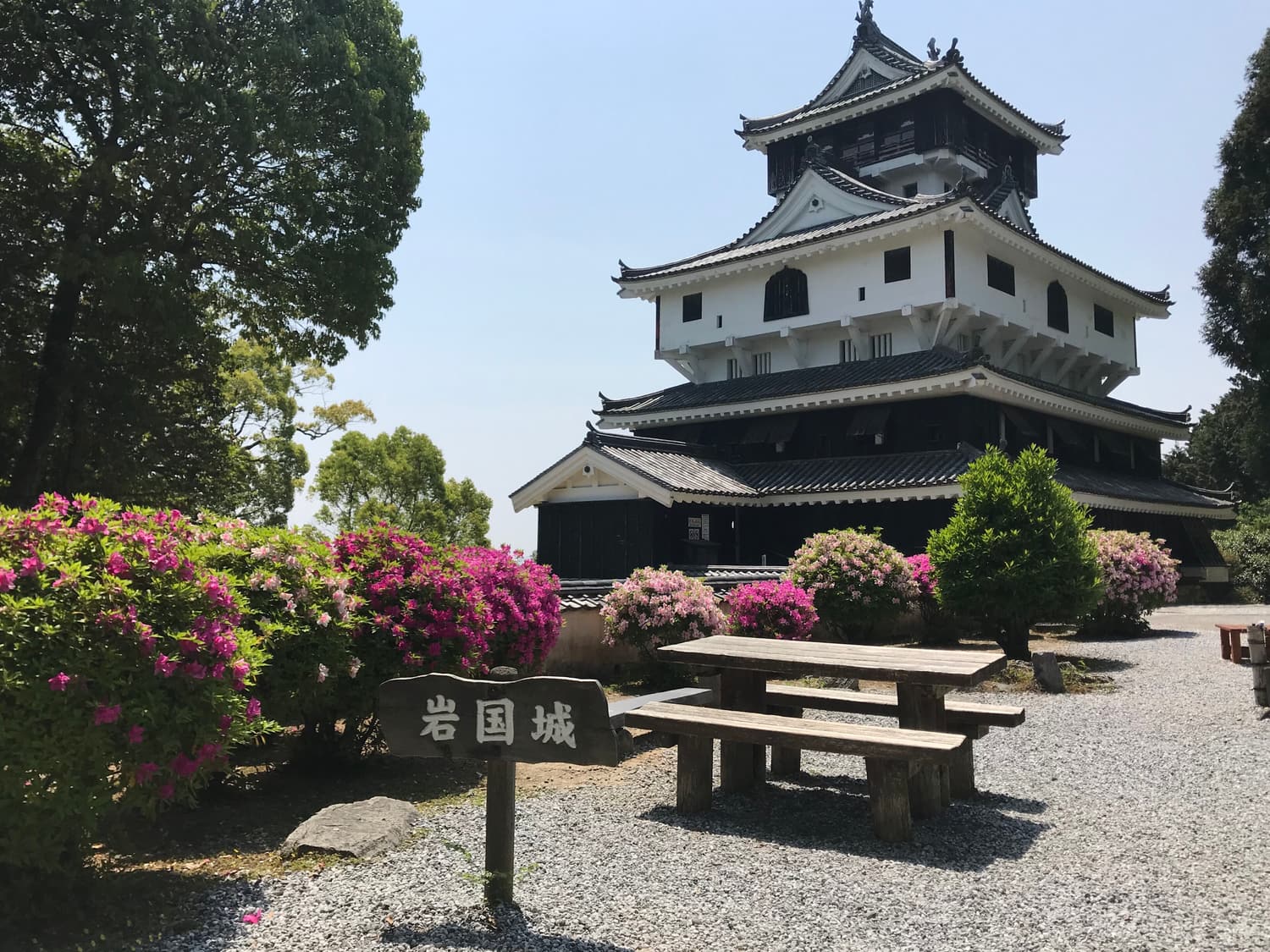
Most tours give Iwakuni two hours; this one gives it the day. From Hiroshima you travel to Kintaikyo, cross the bridge, visit Kikko Shrine and the former castle town of the Kikkawa clan, see Iwakuni Castle and finish with a hands-on workshop engraving your own seal. A new activity without reviews yet.
- A whole day in Iwakuni rather than a quick stop
- Kikko Shrine and the story of the Kikkawa lords
- Carve your own seal stamp to take home
 Private walk from €95
Kintaikyo Bridge and Iwakuni Castle with a Local Guide (3 Hours)
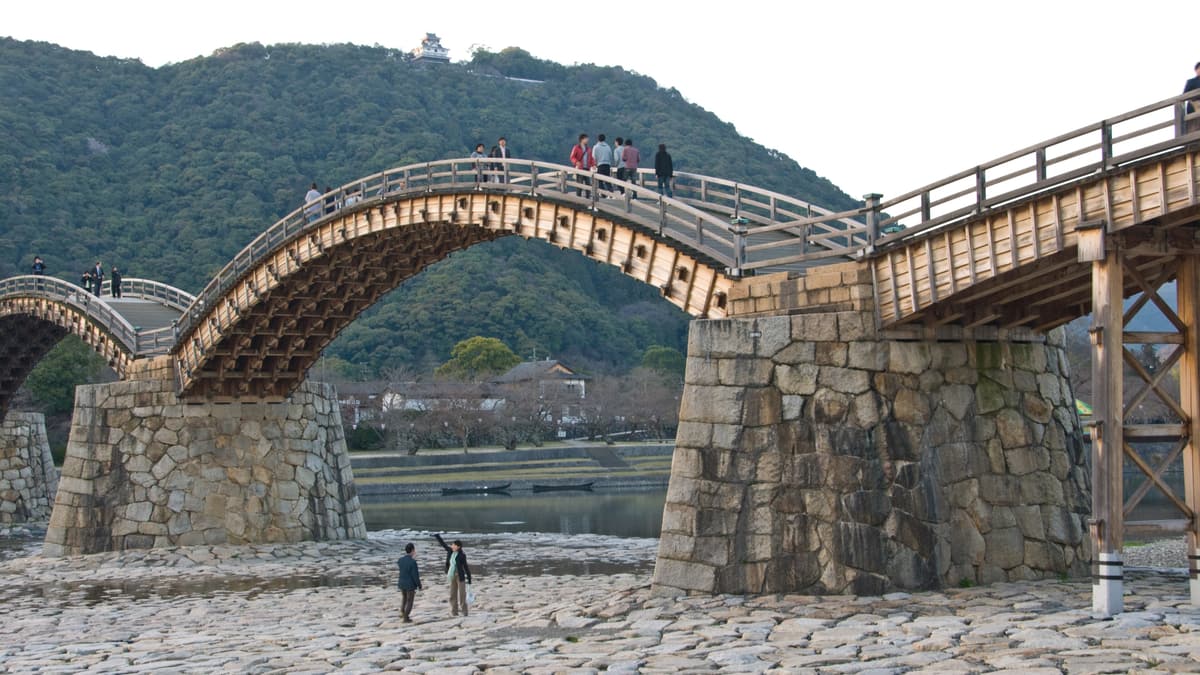
The one GetYourGuide tour that starts in Iwakuni itself and covers exactly what most visitors come for. A local guide walks you over Kintaikyo, explains how the arches are built and rebuilt, leads you through Kikko Park and takes you up to the castle keep above the river. A private tour, so the pace is yours.
- Cross the five wooden arches with a local guide
- Kikko Park and the old samurai quarter
- Up the hill to Iwakuni Castle for the view
 Private food tour from €83
Iwakuni: Food and Drink Tour with a Local Guide
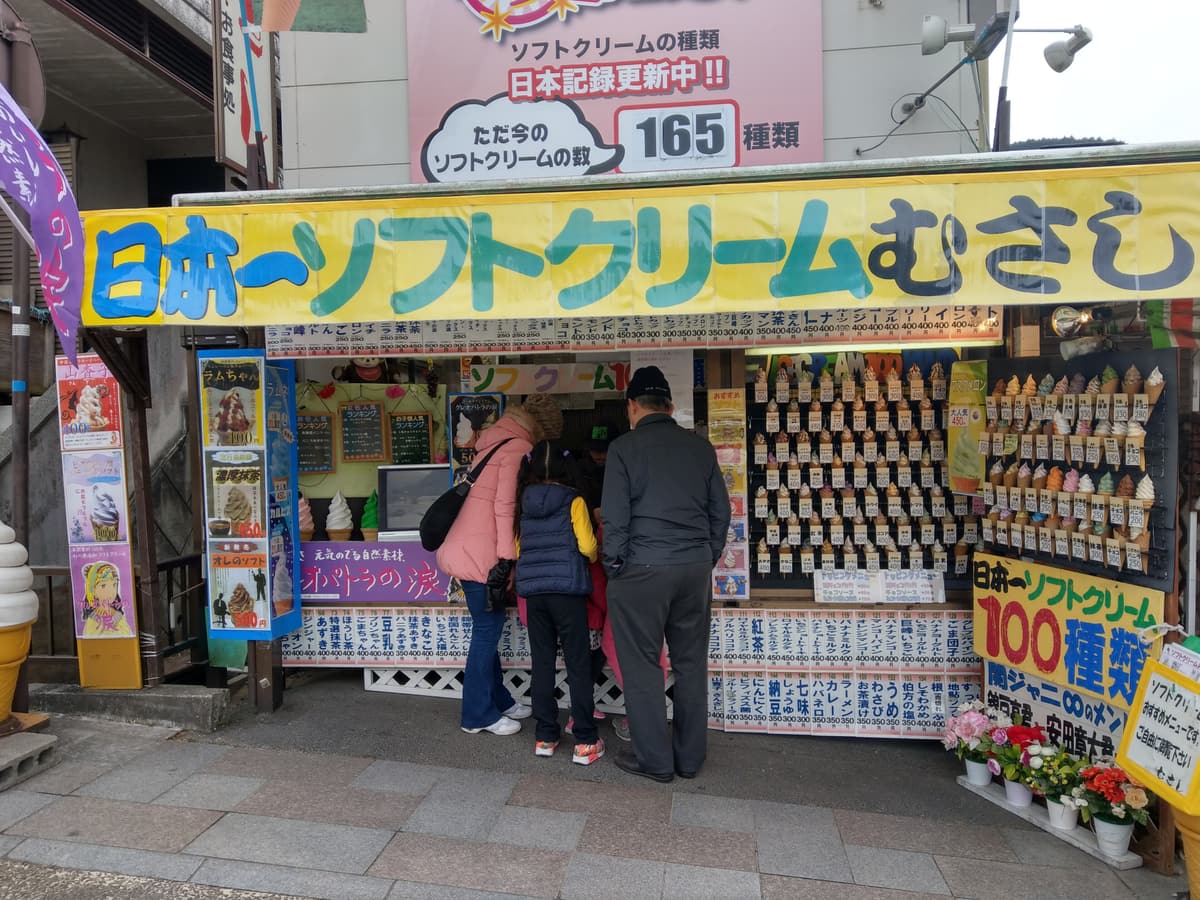
A short private tour for eating and drinking your way into Iwakuni with someone who lives there. What you try depends on the day and the guide, but the town’s specialities — pressed Iwakuni sushi, lotus root, local sake — are the obvious candidates. No reviews on GetYourGuide yet, so read the listing carefully.
- Local dishes and drinks chosen by a resident guide
- A relaxed two hours on foot
- Private: your party only