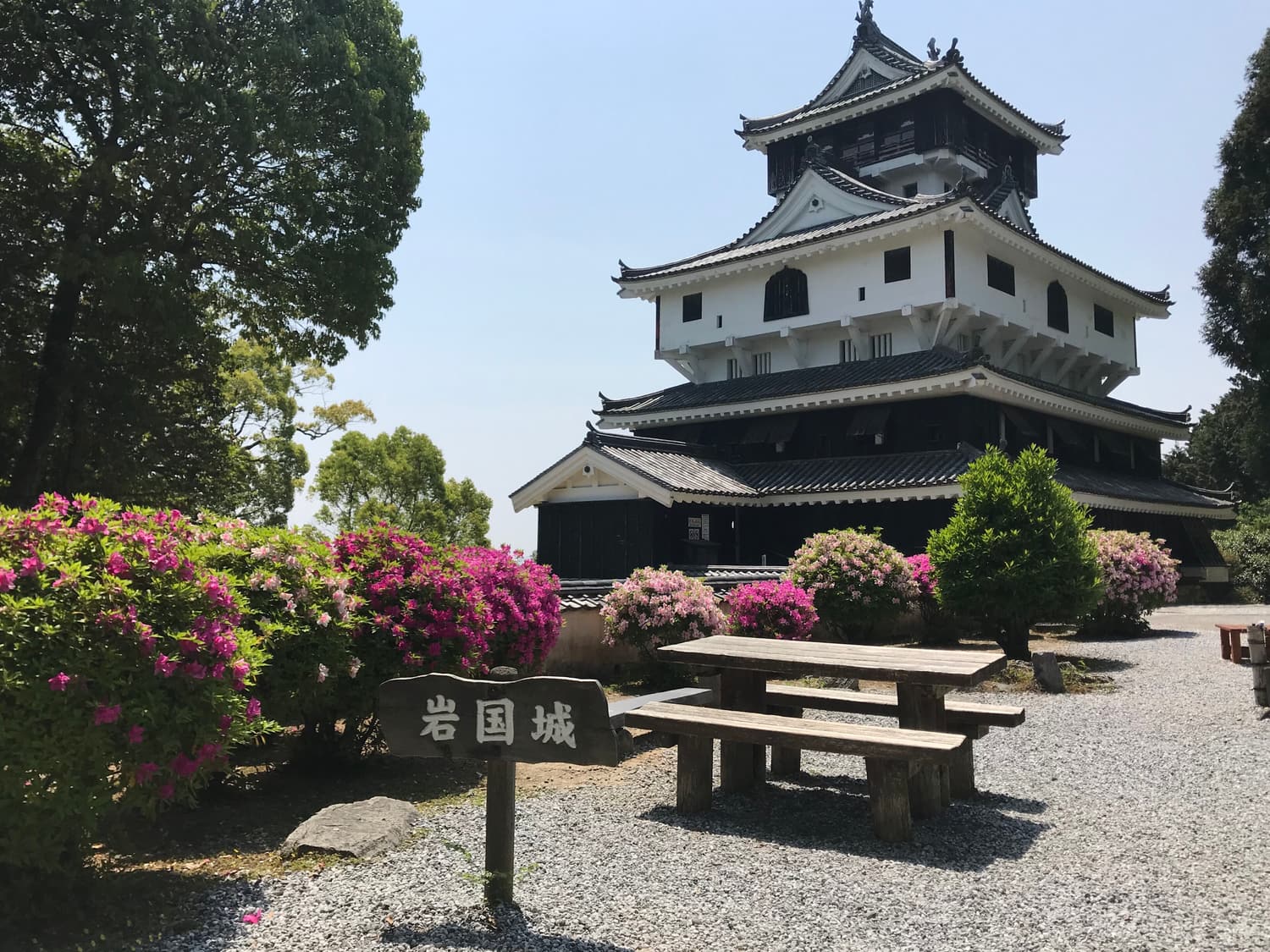
Iwakuni Castle stands on the ridge of Mount Shiroyama, some 200 metres above the Nishiki River. Kikkawa Hiroie completed the original in 1608, but within a few years the shogunate ordered every domain to keep only one castle and it was pulled down. For the rest of the Edo period the lords governed from their residence at the foot of the hill.
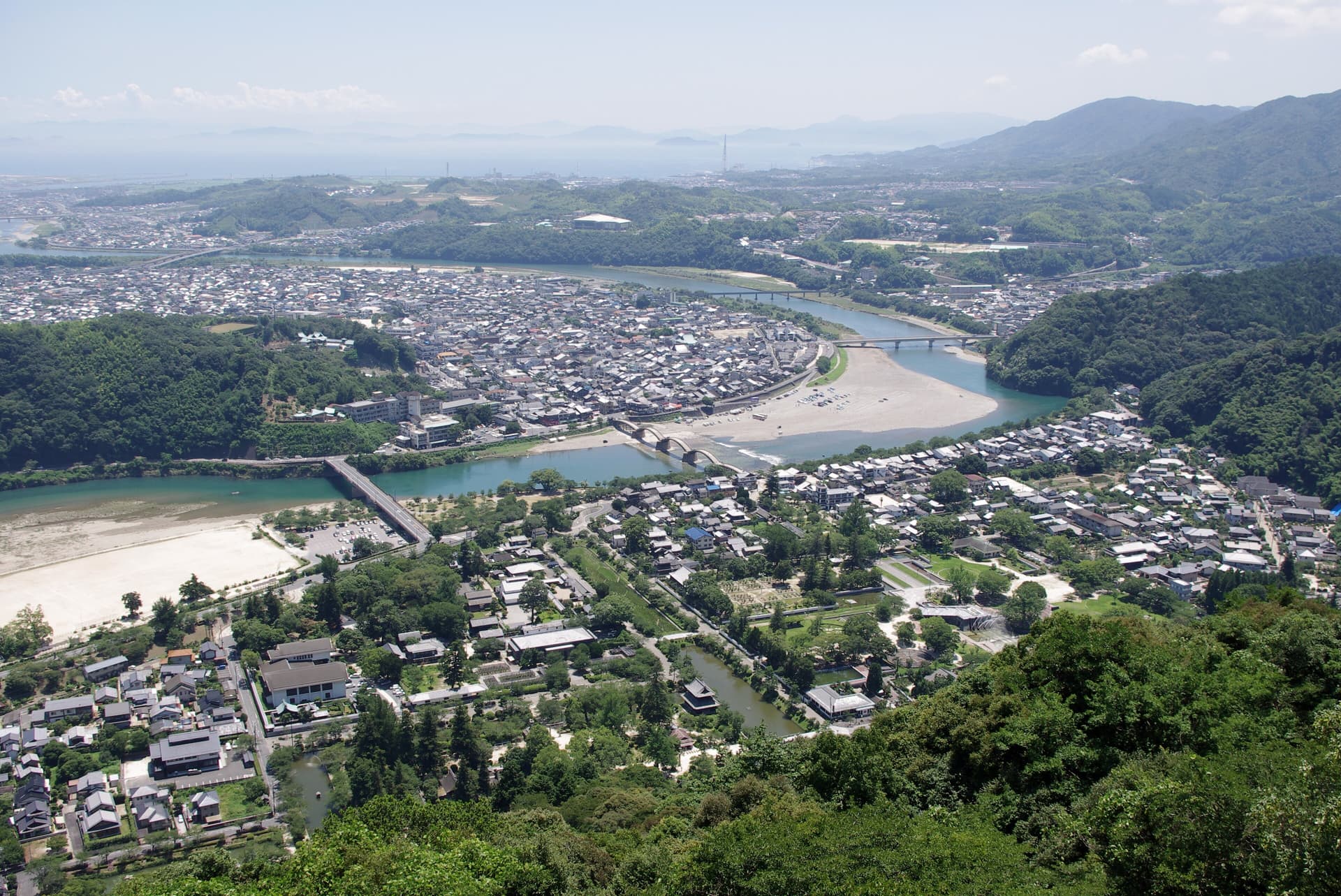
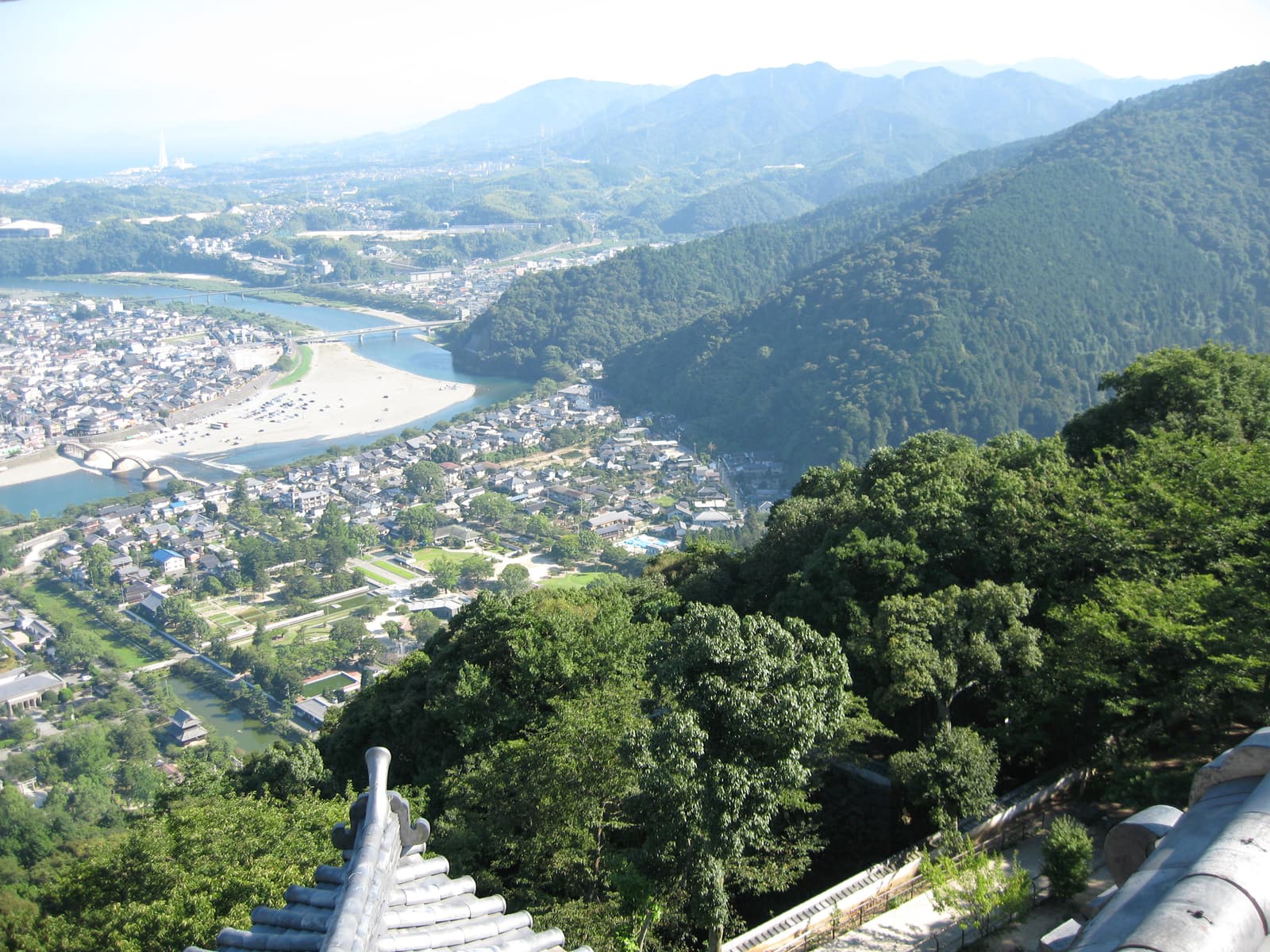
The white keep you see today is a concrete reconstruction from 1962, placed a little way from the original site so that it shows up well from the bridge. Inside are displays of swords, armour and material about Kintaikyo; the top floor is an observation gallery with one of the best views in western Japan — the bridge and river directly below, the city, the air station on the coast and the islands of the Seto Inland Sea beyond.
Top things to do: Iwakuni Castle & Ropeway
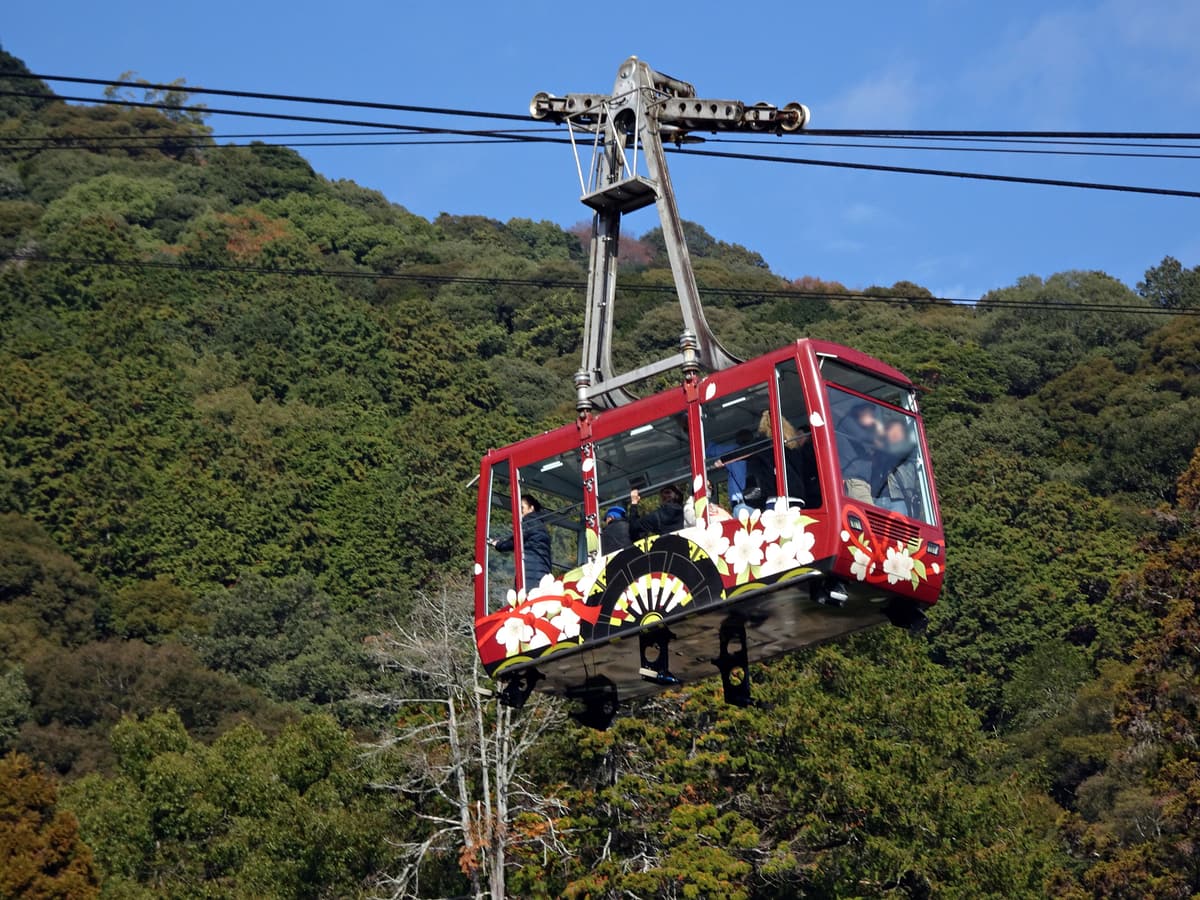
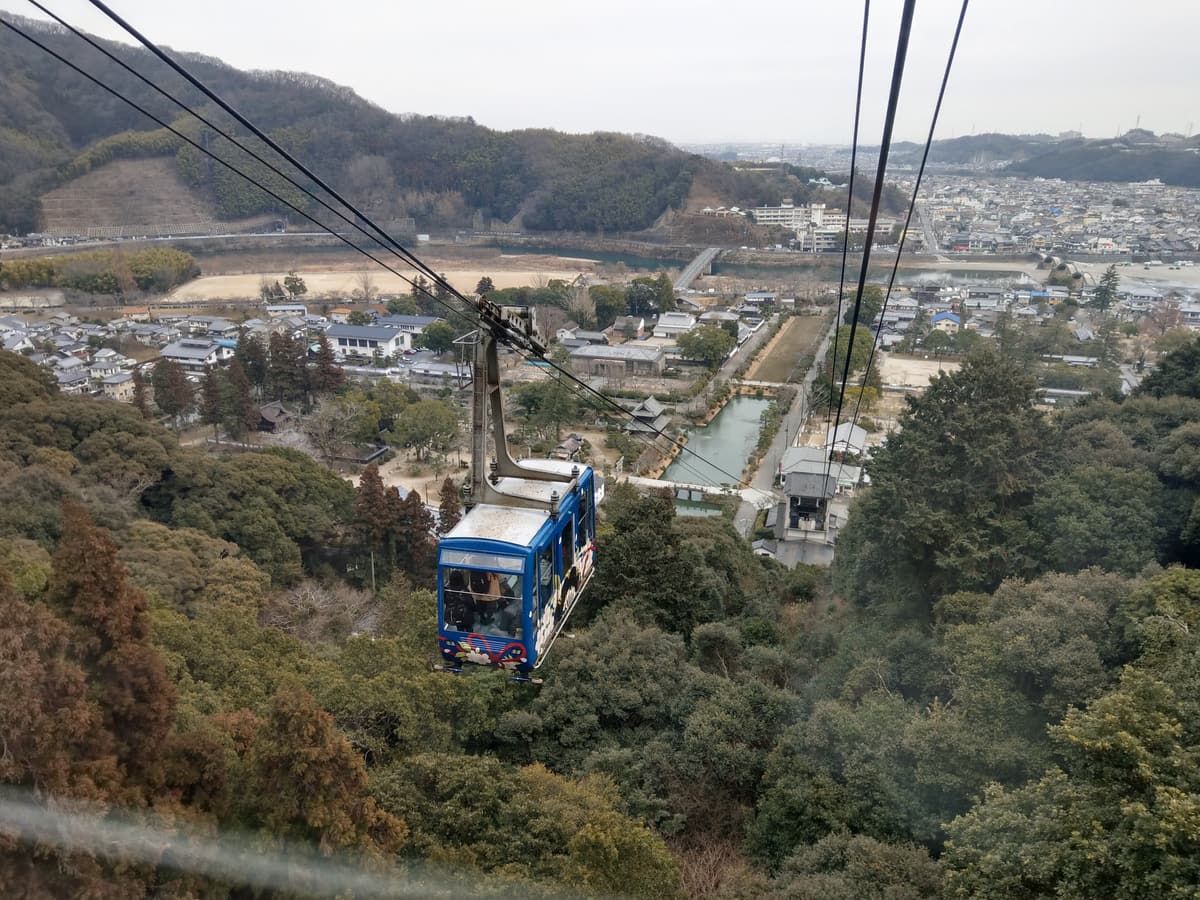
Ride the ropeway
The lower station is at the back of Kikko Park, about ten minutes’ walk from the bridge. Cabins leave every fifteen to twenty minutes and take about three minutes to reach the top. From the upper station it is a five- to ten-minute walk along the ridge to the keep.
Climb the keep
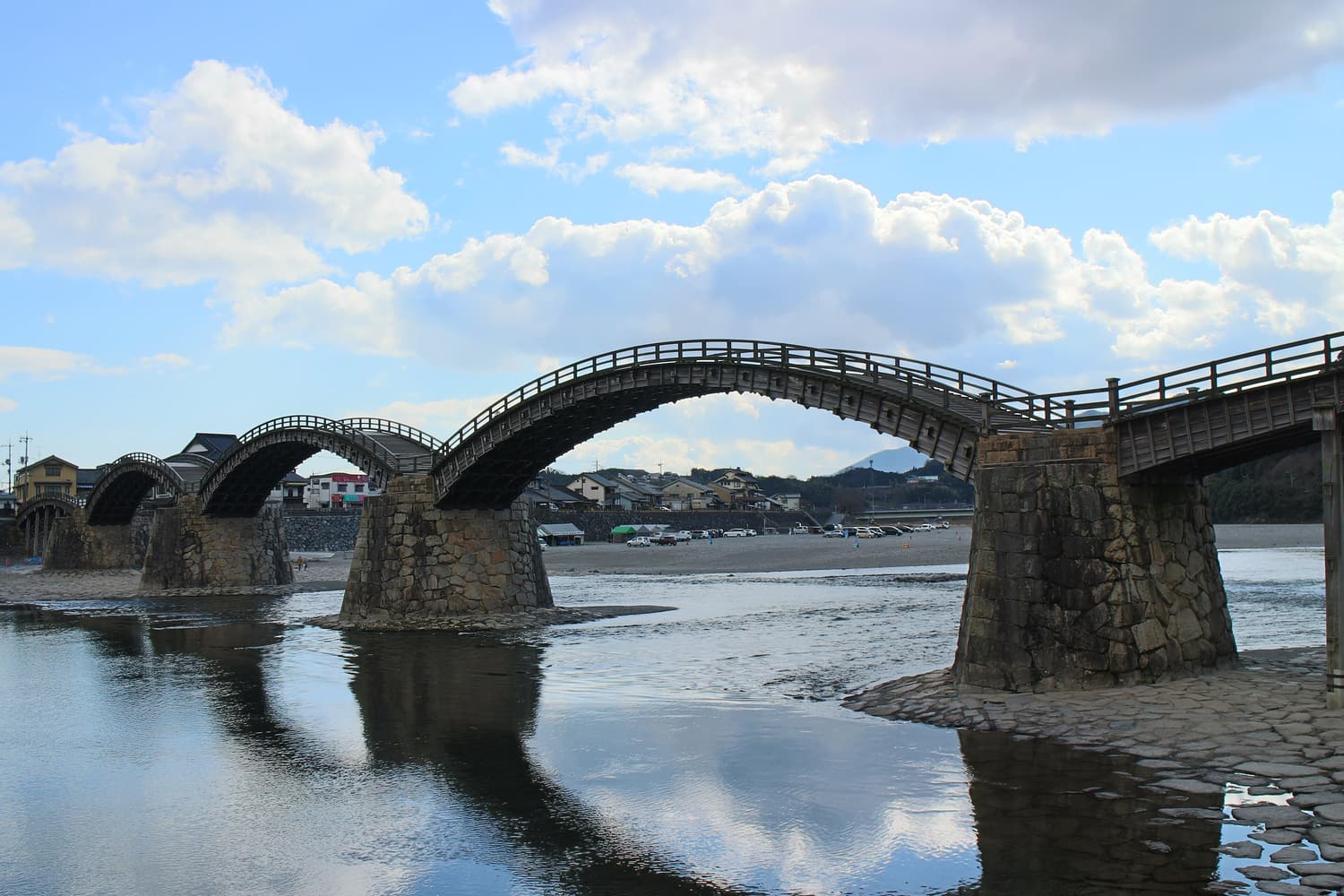
Work your way up through the exhibition floors to the open gallery at the top. On a clear day you can pick out the five arches of Kintaikyo, the runways on the coast and the outlines of distant islands.
Find the original foundations
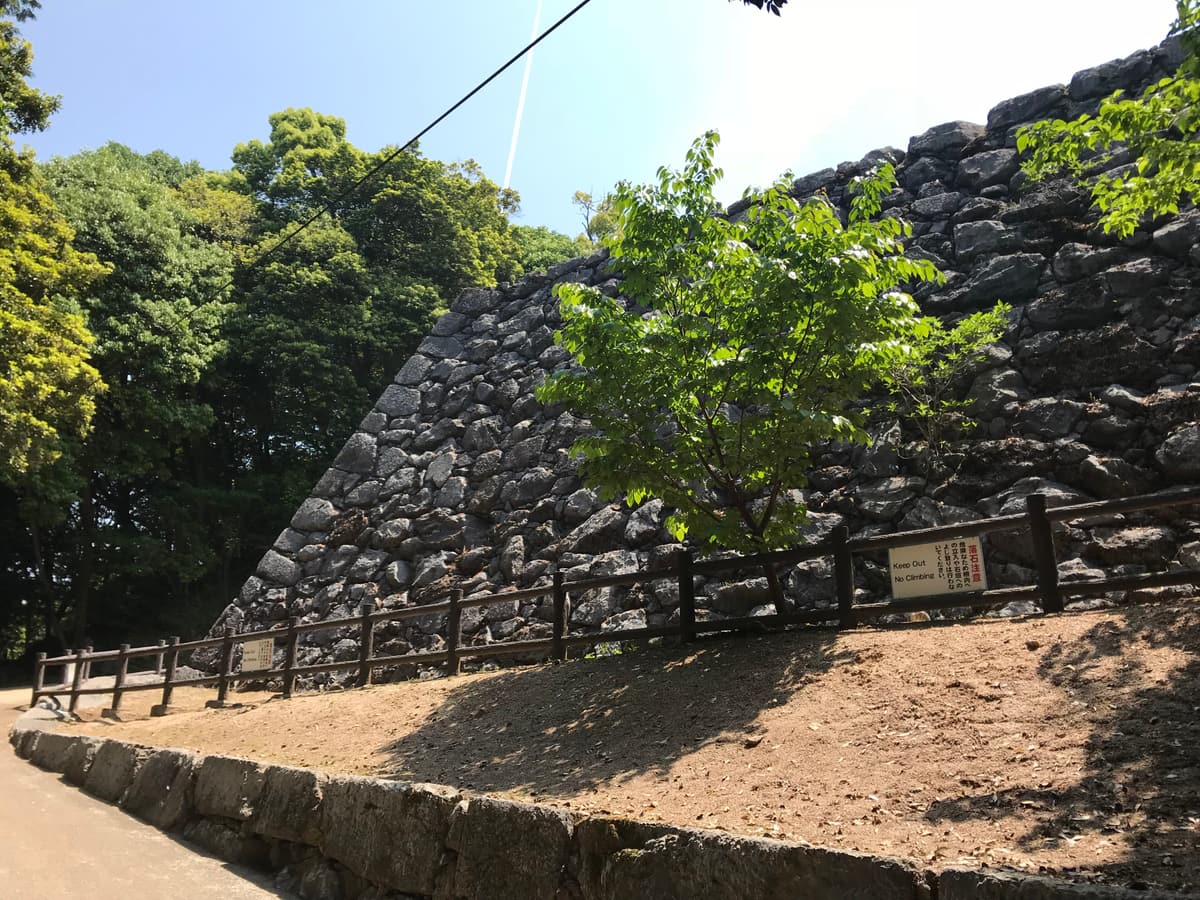
A short distance from the reconstructed keep, the stone base of the 17th-century original has been restored. Nearby are a large old well and stretches of dry moat — reminders that this was a working mountain fortress.
Walk down through the forest
If you have time and good shoes, skip the ropeway on the way back and follow the path down through the woods to the park. It takes around thirty to forty minutes.
How to get there
- From Kintaikyo: cross the bridge and walk straight through Kikko Park to the ropeway station, about ten minutes.
- Ropeway hours: roughly 9:00 to 17:00, with occasional closures for maintenance — check before you go, especially in winter.
- Tickets: the combination ticket sold at the bridge covers the bridge, the return ropeway ride and the castle.
Insider tips
- Go up first thing or late in the afternoon for softer light on the bridge below.
- The last cabin down is around closing time; do not get caught at the top.
- On hazy summer days the long views fade — the bridge is still clear.
- The clock tower by the upper station puts on a short mechanical show at set times.
Best tours & tickets: Iwakuni Castle & Ropeway
These experiences are the easiest way to see Iwakuni Castle & Ropeway and the rest of Iwakuni:
 Private walk from €95
Kintaikyo Bridge and Iwakuni Castle with a Local Guide (3 Hours)
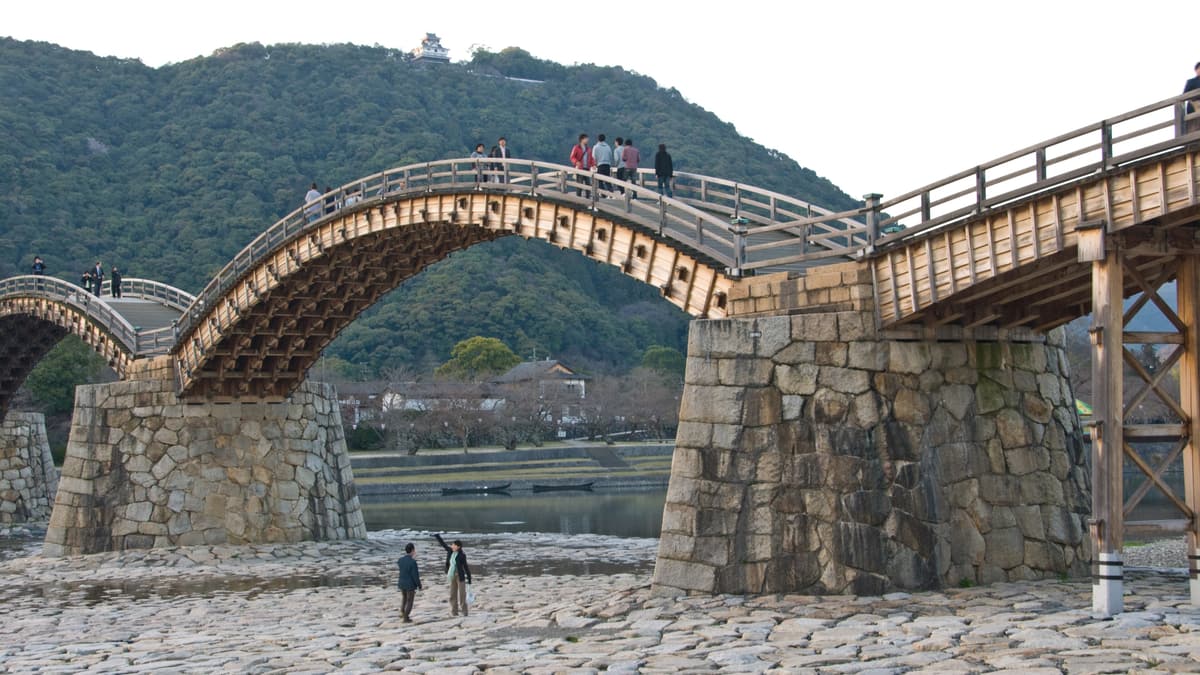
The one GetYourGuide tour that starts in Iwakuni itself and covers exactly what most visitors come for. A local guide walks you over Kintaikyo, explains how the arches are built and rebuilt, leads you through Kikko Park and takes you up to the castle keep above the river. A private tour, so the pace is yours.
- Cross the five wooden arches with a local guide
- Kikko Park and the old samurai quarter
- Up the hill to Iwakuni Castle for the view
 Small-group day trip from €168
Iwakuni Tour: Kintaikyo Bridge, Castle Town & Seal Engraving
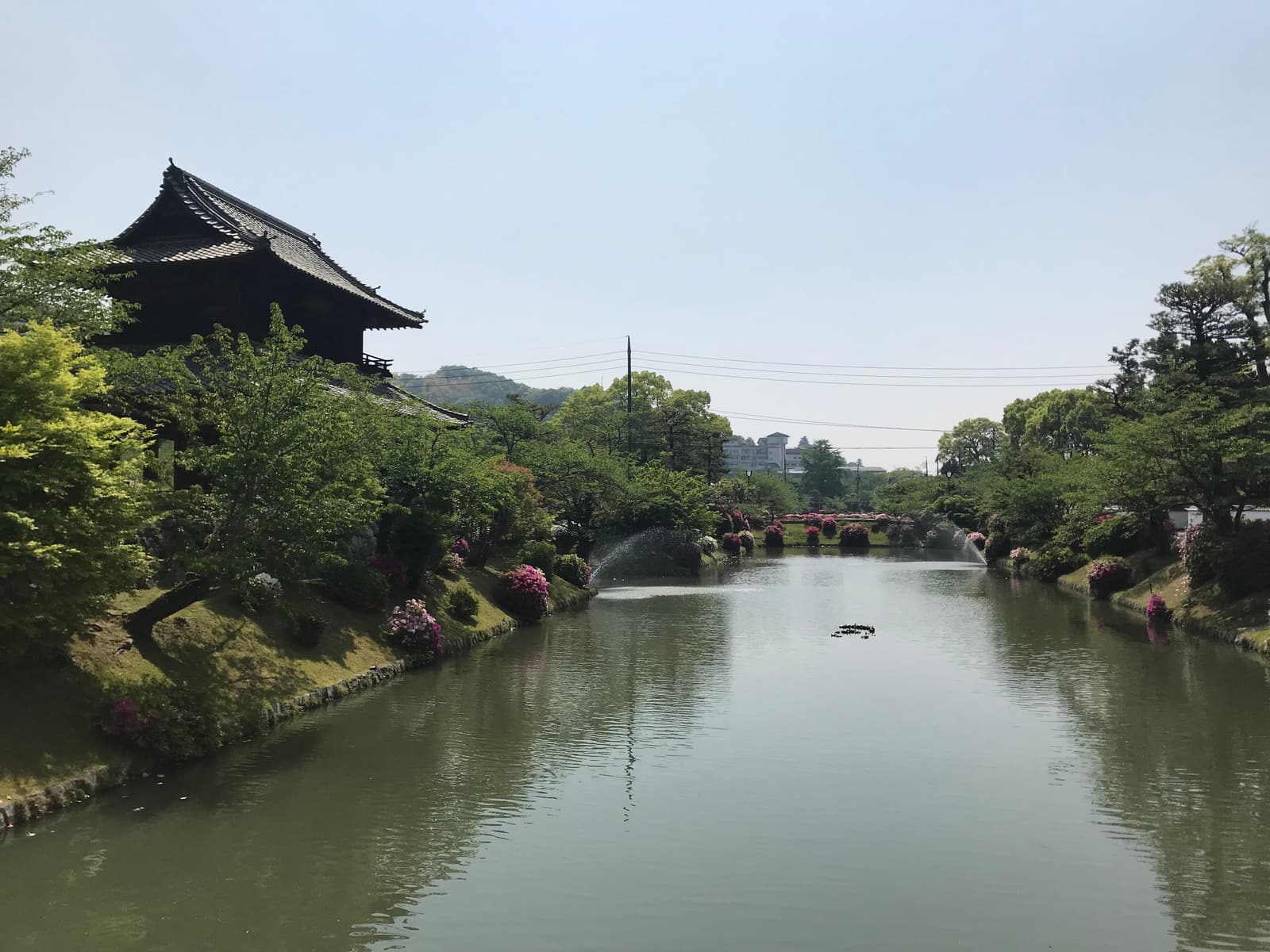
Most tours give Iwakuni two hours; this one gives it the day. From Hiroshima you travel to Kintaikyo, cross the bridge, visit Kikko Shrine and the former castle town of the Kikkawa clan, see Iwakuni Castle and finish with a hands-on workshop engraving your own seal. A new activity without reviews yet.
- A whole day in Iwakuni rather than a quick stop
- Kikko Shrine and the story of the Kikkawa lords
- Carve your own seal stamp to take home
 Day trip from €141
From Hiroshima: Iwakuni & Miyajima Highlights Day Trip
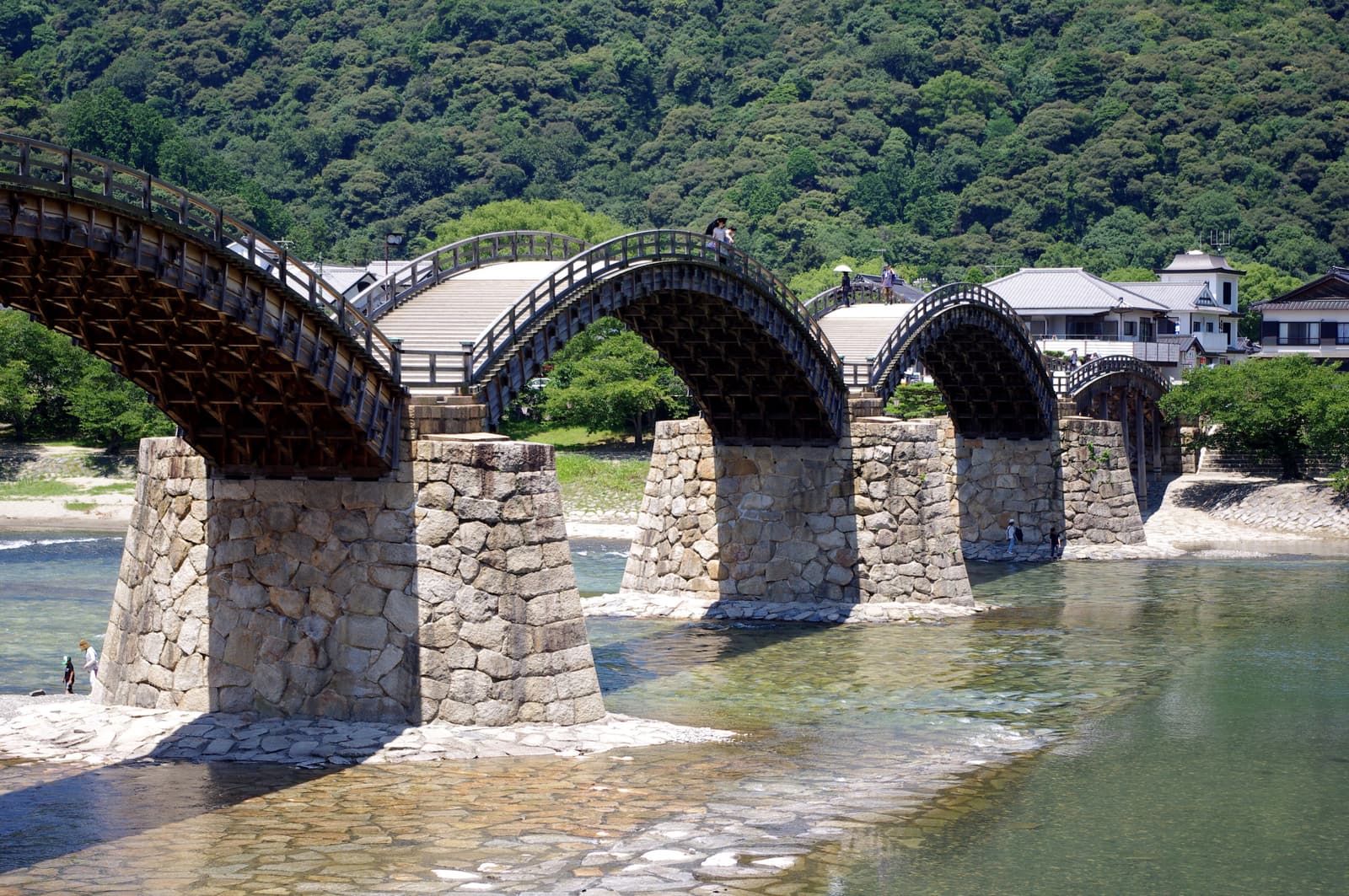
Iwakuni and Miyajima sit on the same railway line west of Hiroshima, which makes them a natural pair. This guided day covers both: the five arches of Kintaikyo first, then the ferry to Miyajima for Itsukushima Shrine and its great torii gate. A very new listing with only a handful of reviews so far.
- Kintaikyo Bridge in the morning
- Miyajima and the floating torii in the afternoon
- A guide to handle trains, ferry and timing