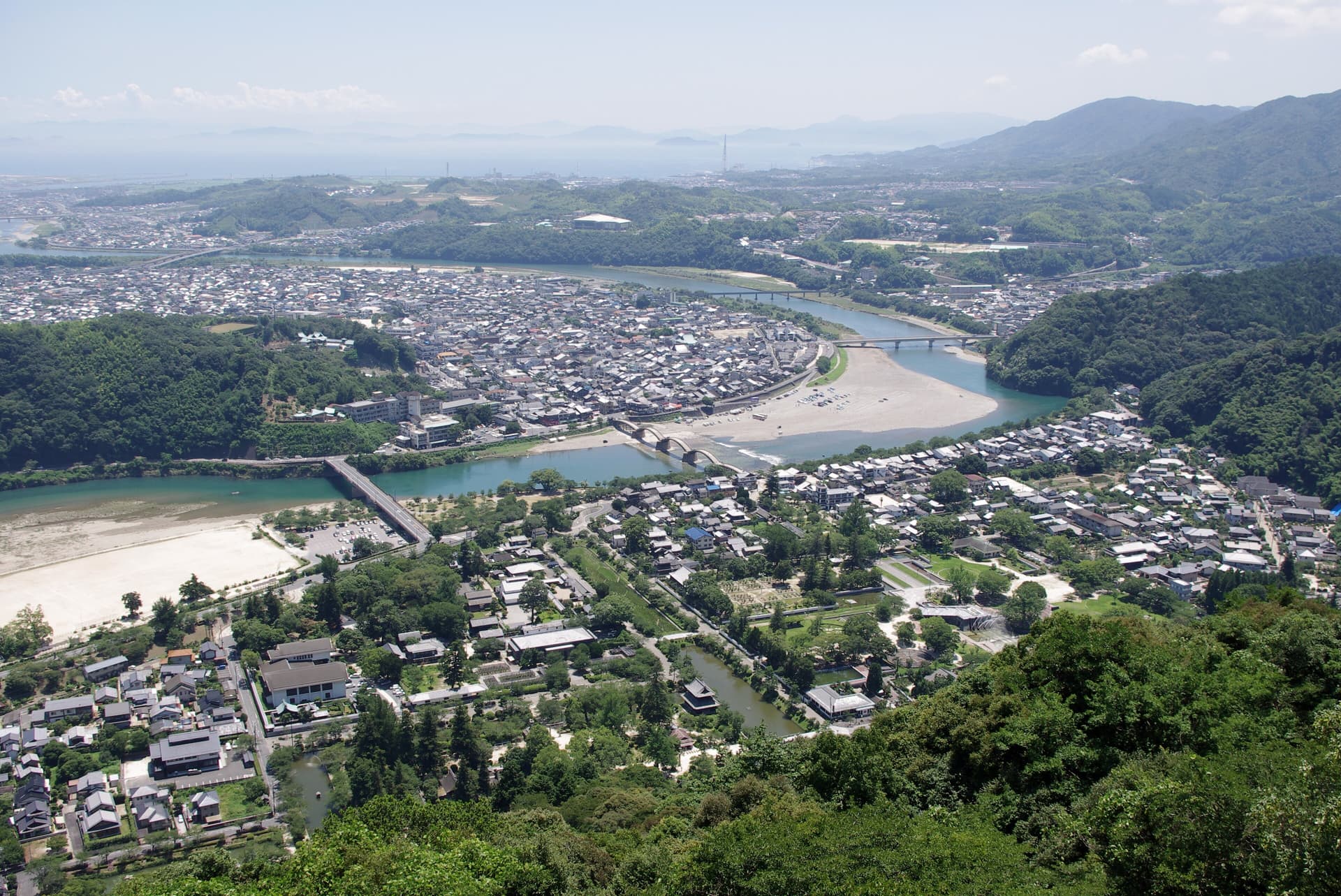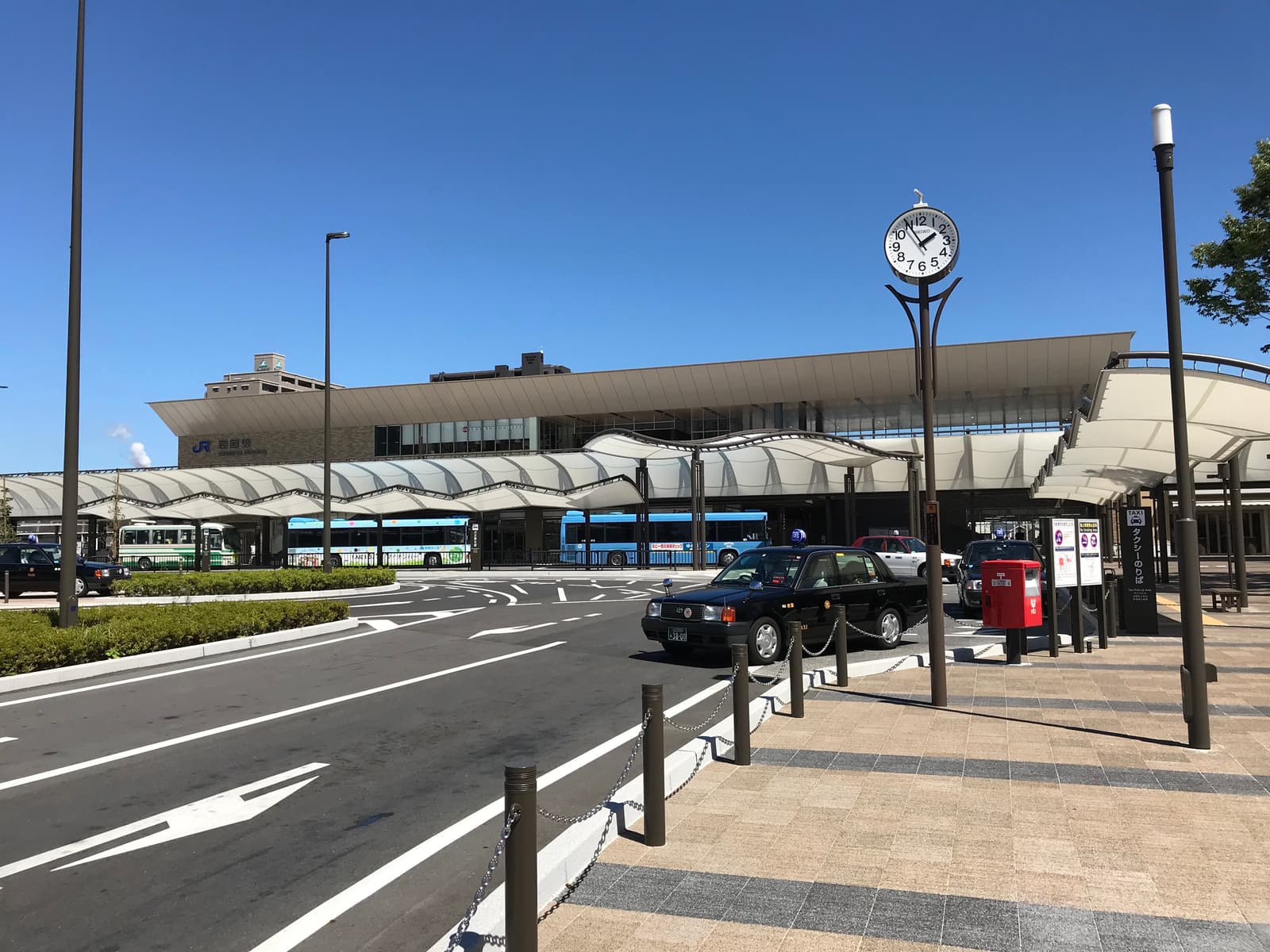
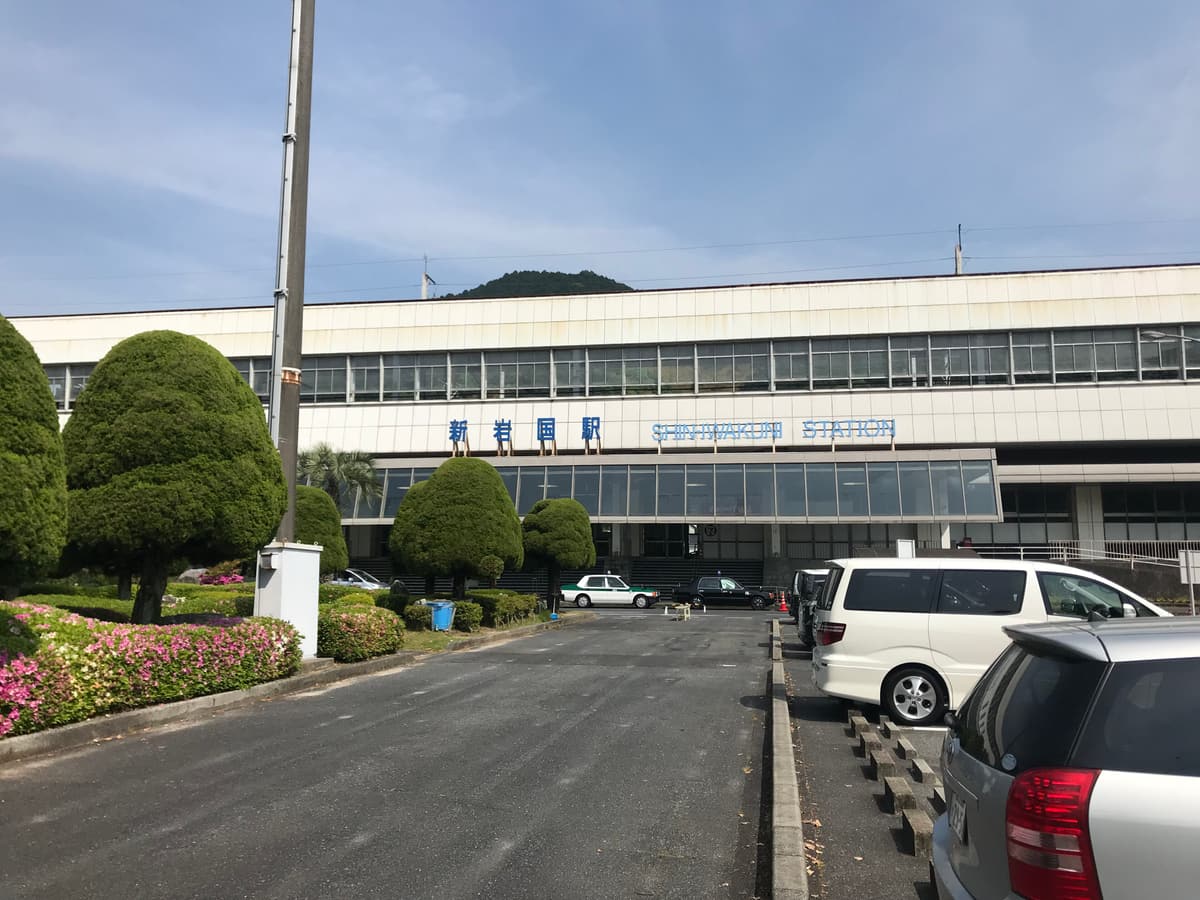
Iwakuni has two railway stations and neither is at the bridge. JR Iwakuni Station, on the Sanyo Main Line, is the one most visitors use; Shin-Iwakuni Station is the Shinkansen stop. Kintaikyo lies between them, a short bus ride from either. Once you know that, the journey is simple.
The options, compared
| From | Route | Approx. time to Iwakuni | Best for |
|---|---|---|---|
| Hiroshima | JR Sanyo Line to Iwakuni Station | about 50 min | Most visitors; trains run frequently |
| Hiroshima | Shinkansen (Kodama) to Shin-Iwakuni | about 15 min | Rail-pass holders, if the timing suits |
| Miyajimaguchi | JR Sanyo Line to Iwakuni Station | about 20–25 min | Combining with Miyajima |
| Shin-Osaka | Shinkansen to Hiroshima, then Sanyo Line | about 2.5–3 h | Travellers coming from Kansai |
| Hakata (Fukuoka) | Shinkansen to Shin-Iwakuni or via Hiroshima | about 1.5–2 h | Travellers coming from Kyushu |
| Tokyo | Flight to Iwakuni Kintaikyo Airport | about 1 h 45 in the air | Skipping the long train ride |
From Hiroshima by local train
Take the JR Sanyo Main Line westbound from Hiroshima Station to Iwakuni Station. Many trains terminate there, the ride takes about 50 minutes and the fare is well under ¥1,000 one way. The same trains stop at Miyajimaguchi, the ferry port for Miyajima, roughly halfway — which is why the two are so easy to combine.
From Iwakuni Station to the bridge
Buses for Kintaikyo leave from the bus terminal outside Iwakuni Station at frequent intervals during the day. The ride takes about 15–20 minutes and costs around ¥300; the stop is right beside the bridge. A taxi takes about the same time and is good value for three or four people. It is too far to walk comfortably — about 5 km.
By Shinkansen: Shin-Iwakuni Station
Shin-Iwakuni is on the Sanyo Shinkansen, but most fast trains pass through without stopping; it is served mainly by all-stops Kodama services. From Hiroshima the Kodama takes about 15 minutes. Buses run from Shin-Iwakuni to Kintaikyo in about 15 minutes, but less often than from Iwakuni Station, so check both the train and bus times before choosing this route. A taxi from Shin-Iwakuni to the bridge takes around ten minutes.
The Nishikigawa Seiryu Line
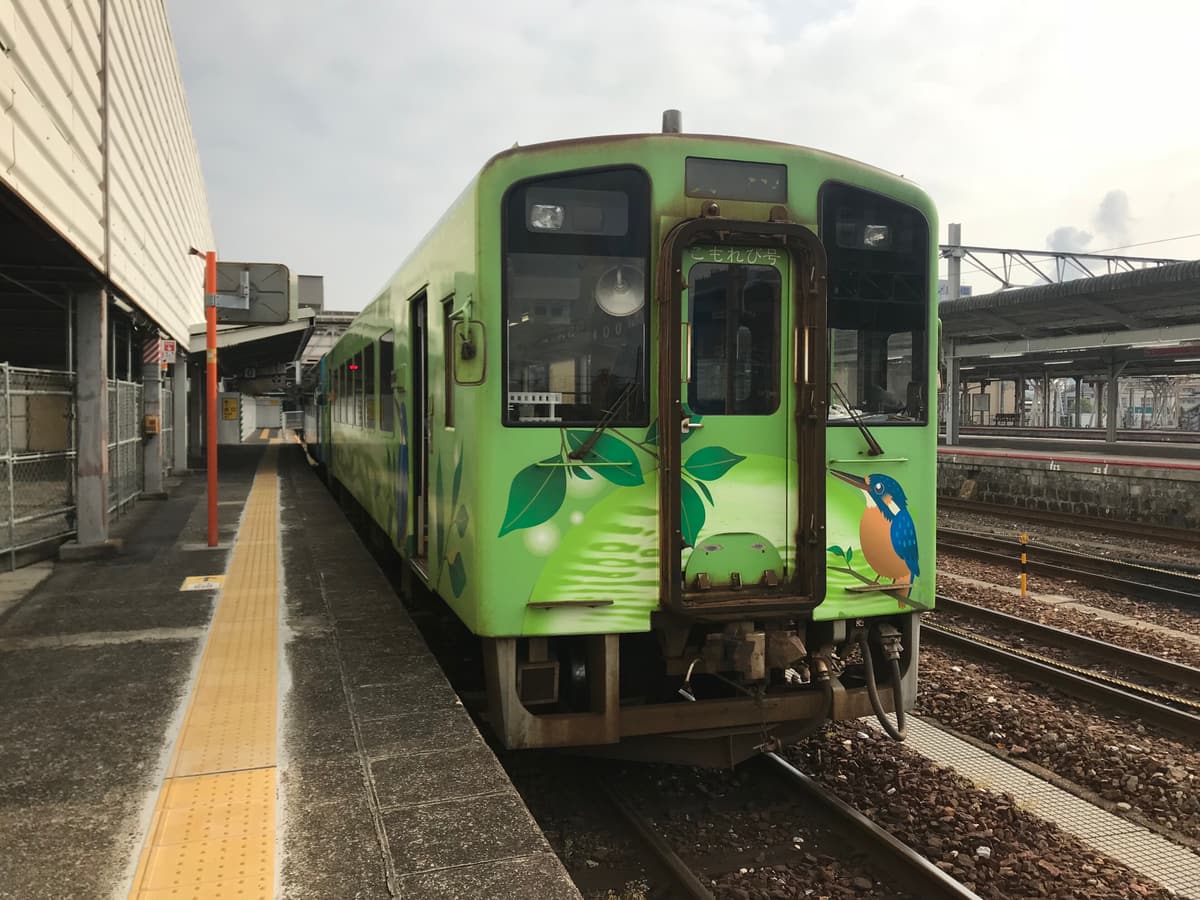
A small local railway, the Nishikigawa Seiryu Line, runs from Iwakuni Station up the Nishiki valley. Its Kawanishi station is roughly twenty minutes’ walk from Kintaikyo, and Seiryu-Shin-Iwakuni station connects with the Shinkansen station. Trains are infrequent, so for most visitors the bus is simpler — but it is a pretty ride if the times fit.
By car
Iwakuni is on the Sanyo Expressway; from the Iwakuni interchange it is about ten minutes to the bridge. Parking is available near Kintaikyo, including a large area on the riverbed below the bridge, which may be closed when the river is high and charges a fee in busy seasons. In cherry blossom season the approach roads are slow — arrive early.
By air: Iwakuni Kintaikyo Airport
Iwakuni Kintaikyo Airport shares its runway with the air station on the coast and has a small number of daily domestic flights, chiefly to Tokyo Haneda. A bus timed to the flights links the terminal with Iwakuni Station in around ten minutes. Hiroshima Airport, with more routes, is a longer transfer.
Half-day and full-day plans
- Half day from Hiroshima: morning train to Iwakuni, bus to the bridge, cross it, ride the ropeway to the castle, lunch by the river, back in Hiroshima by mid-afternoon.
- Miyajima + Iwakuni in a day: first ferry to Miyajima, shrine and torii in the morning, train from Miyajimaguchi to Iwakuni after lunch, bridge and castle in the afternoon.
- Full day in Iwakuni: add the Mekata residence, the Kikkawa museum, the White Snake Museum and a sake tasting — and stay for the evening illumination.
Prefer someone else to handle the connections? See the guided day trips from Hiroshima.